New York Water Damage Company has built its reputation in Valley Stream on showing up fast and doing the job right the first time — extraction, drying, sanitizing, and repair, all under one roof.

New York Water Damage Company runs a dedicated Valley Stream dispatch so a call at 2am gets the same fast response as a call at 2pm. Our technicians are IICRC-certified, background-checked, and trained specifically in the kind of water damage this region sees most — from summer storm flooding to winter pipe bursts.
Being local matters more than people expect. Our crews know which Valley Stream neighborhoods deal with older plumbing, which basements flood first during heavy rain, and what an adjuster in this area typically wants to see on a claim. That knowledge shortens the distance between "water everywhere" and "problem handled."
Whether the loss is a small bathroom leak or a full commercial flood, New York Water Damage Company brings the same licensed, insured, documented approach to every Valley Stream property we touch.
A water emergency rarely happens at a convenient time, which is exactly why New York Water Damage Company staffs Valley Stream dispatch around the clock instead of routing calls to an answering service. When you call, you get a real conversation and a real timeline.
Water damage rarely stays contained to one problem, which is why our Valley Stream service list covers the whole event, not just the initial cleanup.
When water is actively spreading through a Valley Stream property, our emergency crews arrive with commercial pumps and extraction units to stop the loss from getting worse, then move straight into drying.
From a failed appliance hose to storm water intrusion, we restore Valley Stream homes room by room — drying structural materials and repairing what the water damaged, start to finish.
Property managers and business owners across Valley Stream rely on us for after-hours scheduling and industrial-scale drying that gets doors reopened faster, with less disruption to staff and customers.
Mold can start within 24-48 hours of a water event, so we apply antimicrobial treatment and monitor moisture in Valley Stream properties before it ever takes hold in the first place.
Once a Valley Stream property is fully dry, our reconstruction crew handles drywall, flooring, trim, and paint — one company from emergency call to finished repair, with no handoffs along the way.
Moisture readings, photo records, and itemized scope-of-work reports — prepared the way Valley Stream adjusters expect to see them, speeding up approval.
We keep the process predictable, even when the situation at your Valley Stream property doesn't feel that way.
Our dispatcher asks a few quick questions and gets a crew moving toward your Valley Stream address right away, then stays available if you need anything else.
A licensed technician arrives, typically within about an hour, and walks the property to identify every affected area, including spots that aren't immediately obvious.
We remove water and saturated materials methodically, working room by room across the Valley Stream property until every area is addressed.
Air movers and dehumidifiers go to work, and moisture is checked daily until every reading confirms the structure is fully dry.
We finish with a full walkthrough so nothing gets missed before we close out the job and hand things back to you.
Mold and structural damage set in fast — reach out the moment you spot water, and help is already on the way.
📞 +1-844-499-0972Rather than just listing promises, here's a direct comparison of what Valley Stream customers typically experience with us versus a generic competitor.
We'd rather set clear expectations than make vague promises. If you call around Valley Stream before deciding, use this list as a set of questions to ask any company you're considering.
Nothing explains a Structural Drying job better than hearing from the people who lived through it.
A supply line under our kitchen sink failed overnight and by morning half the kitchen floor was ruined. The crew was here fast and explained the drying plan clearly before touching a single thing.
As a landlord I've dealt with a couple water emergencies over the years. This was by far the smoothest — fast response, clear pricing, and solid follow-through from start to finish.
Our restaurant had a pipe burst in the back kitchen right before dinner service. New York Water Damage Company worked around our hours and we barely missed a beat, which honestly saved our night.
What stood out was the honesty — they told us plainly what could be saved and what needed replacing instead of running up the bill unnecessarily.
Our water heater failed while we were out of town and a neighbor noticed water under the door. New York Water Damage Company responded immediately and kept us updated by phone the whole time we were away.
Plenty of Valley Stream property owners try handling a small water event themselves before calling us. Here's what usually gets missed.
What makes DIY cleanup risky isn't the initial mop-up — it's everything you can't see afterward. Household fans move air across a surface, but they don't pull moisture out of building materials the way commercial dehumidifiers do, and that gap is where Valley Stream homeowners end up with mold problems months later.
Insurance carriers generally want documented proof a loss was properly mitigated. A DIY cleanup rarely produces that record, which can leave Valley Stream homeowners exposed if related damage surfaces months down the road.
These general steps apply to most Valley Stream water emergencies, situation permitting.
Stopping the source, if it's safe to do so, is often the single most useful thing you can do before we arrive.
If water is anywhere near an electrical panel or outlet, stay clear of that area entirely.
Relocating valuables and lifting rugs can reduce secondary damage while you wait.
Snap photos or video before anything is moved — it helps your insurance claim later.
Waiting to see if it dries on its own is the most common — and costliest — mistake we see.
Our Valley Stream trucks carry truck-mounted extraction units, low-grain-refrigerant dehumidifiers, high-velocity air movers, and moisture meters that read behind walls without cutting into them.
A rental-store fan moves air across a surface. Our dehumidification setup actively pulls moisture out of building materials, cutting drying time from weeks down to days on most Valley Stream jobs.
We also maintain our equipment on a strict schedule rather than running gear until it fails mid-job. That means the dehumidifier or air mover placed in your Valley Stream property is working at full capacity, not limping along on worn parts.
Filing a claim after a water loss can feel overwhelming — our Valley Stream team handles the documentation side so you don't have to.
As soon as our crew starts work in Valley Stream, they're also building your claim file: photographs, logged readings at each visit, and a detailed scope of work that often shortens the path to approval.
In many cases we can bill your insurer directly rather than requiring full payment up front. Coverage varies by policy, so our Valley Stream team will walk you through what to expect.
If a dispute comes up over scope or coverage, we can provide additional documentation or speak directly with the adjuster on your behalf — we'd rather resolve it with paperwork than leave you stuck negotiating alone.
From older single-family homes to modern commercial buildings, our Valley Stream equipment and approach adapt to the property.
Whether your Valley Stream property is a single-story home, a multi-unit building, or a commercial storefront, the fundamentals stay the same — extract, dry, monitor, repair — but the details of execution change based on materials and construction.
Local familiarity means understanding which Valley Stream neighborhoods see more basement flooding and where storm drainage tends to back up — that knowledge helps us respond faster and more effectively.
That local knowledge also shapes how we staff and equip our Valley Stream crews day to day — we position trucks and technicians based on real historical call patterns across the area, not a generic coverage map.
Recognizing the early signs of these common causes can help Valley Stream property owners catch a problem before it becomes an emergency.
Aging plumbing and sudden cold snaps are among the top reasons Valley Stream residents call us — a single burst pipe can release hundreds of gallons before it's noticed, often overnight.
A small ceiling stain after a Valley Stream storm often means water already reached the insulation underneath, well before it becomes visible.
A failed sump pump is one of the fastest ways a Valley Stream basement floods — often within a single storm, with little warning.
A failing water heater can leak for weeks, often causing more structural damage than a sudden burst would.
Older Valley Stream neighborhoods with mature landscaping and settled soil often see recurring drainage-related water issues.
We'd rather explain our guarantee plainly than bury it in fine print.
If our Valley Stream technicians miss moisture somewhere, or a drying target wasn't actually met before equipment was pulled, we come back and correct it at no additional cost — whether the issue is found the same week or a month later.
We also stand behind our estimates. If the actual scope turns out smaller than expected, you pay less. If it's more involved once we open a wall or pull flooring, we pause, explain what we found, and get your approval before continuing.
We hold every Valley Stream job to the same standard regardless of scope, because a guarantee that only applies to bigger jobs isn't really a guarantee.
Anyone can put "certified" on a website — here's what actually stands behind that word at New York Water Damage Company.
Before responding to a Valley Stream call solo, every technician completes IICRC-recognized training covering restoration fundamentals, drying science, and safety protocols for contaminated water.
Every new hire is background-checked and drug-tested before joining a Valley Stream crew, and technicians recertify periodically as industry standards evolve.
We think that level of vetting should be table stakes for anyone entering your home or business, and we're glad to answer any question about a specific technician's credentials before they arrive.
Here are a few extra services worth knowing about if your Valley Stream situation calls for them.
Some Valley Stream losses involve contaminated water that needs more than drying — we handle the sanitizing and odor control that comes with it.
For larger Valley Stream losses, we offer content pack-out and cleaning so your belongings are protected while repairs are underway.
After remediation, we can arrange air quality testing for Valley Stream customers who want independent confirmation that mold spore counts are back to normal.
Here's what actually drives the cost of a Structural Drying job in Valley Stream, explained plainly before you ever get a bill.
The biggest factor is usually the source and category of water involved. Clean water from a supply line costs less to remediate than contaminated water from a sewage backup, which requires additional sanitizing and, in some cases, disposal of porous materials that can't be safely dried. The size of the affected area and how long the water sat before extraction also play a major role — water that's been sitting for a day or more typically means more materials need replacing rather than drying.
Materials matter too — hardwood floors, plaster walls, and built-in cabinetry generally cost more to restore than standard drywall and carpet. And whether the job needs just drying versus drying plus reconstruction changes the total considerably. We walk through all of this on-site before any work begins, so the number you're given reflects your actual Valley Stream property, not a generic estimate.
None of these factors are meant to be a surprise on the invoice — we walk through each one with you on-site in Valley Stream before deciding on next steps, so you understand exactly what's driving the number.
In most cases we can have a technician heading toward your Valley Stream address within 30 to 60 minutes, day or night. If your situation is worsening, tell the dispatcher so the call gets prioritized, and we'll walk you through safety steps while you wait.
Yes — before equipment goes in, we walk you through the scope and give a clear estimate, and explain any change in scope before proceeding, not after the invoice arrives.
Our Valley Stream emergency lineup covers extraction, drying, sanitizing, and temporary containment — everything needed in the first critical hours after a loss.
We regularly coordinate with Valley Stream adjusters and provide reports formatted to speed up claims, cutting down on back-and-forth requests.
Most residential jobs in Valley Stream take 3 to 5 days to fully dry, depending on scope. We monitor moisture daily before removing equipment, since pulling it early is a common cause of hidden mold later.
Yes, our Valley Stream technicians identify, contain, and remediate mold caused by water intrusion, including antimicrobial treatment to help prevent it from returning.
Our Valley Stream team handles everything from a flooded bathroom to a multi-unit commercial loss, adjusting scheduling to minimize disruption.
If safe, shut off the water source, move valuables away, and avoid electrical outlets near standing water. Our dispatcher will guide you through the rest by phone.
Yes, we stand behind every job — if something isn't right, we return and fix it at no extra charge, no arguments involved.
We offer a free initial assessment for most Valley Stream calls so you understand the scope before committing to anything.
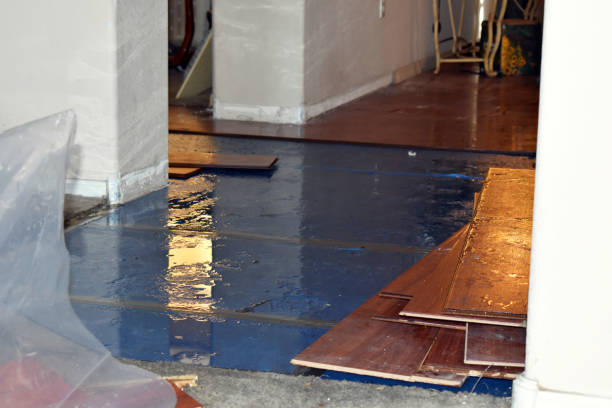
Water damage isn't a single-season problem in Valley Stream — different times of year bring different risks, and we stay ready for all of them.
In Valley Stream, winter freeze-thaw cycles stress plumbing in ways that often aren't visible until a pipe actually fails, while spring and summer storm systems test roofing, grading, and drainage that may have been fine the rest of the year. We see calls tied to both patterns regularly.
Because of that year-round variability, we keep our Valley Stream equipment and staffing consistent across seasons rather than scaling down during quieter stretches — a slow month for storm damage is often a busy month for pipe failures, and vice versa.
Our Valley Stream footprint covers residential neighborhoods and commercial districts alike.
Not sure if your address falls inside our Valley Stream coverage area? Call +1-844-499-0972 and we'll confirm instantly.
From downtown Valley Stream to the surrounding outskirts, we've structured our crews and equipment placement so response time depends on planning, not luck.

This map shows our general Valley Stream coverage footprint. Call +1-844-499-0972 to confirm coverage for your address.
The faster you call, the less your Valley Stream property suffers. Our line is live right now.
📞 Call +1-844-499-0972